Wilderness Landscape & Natural Heritage
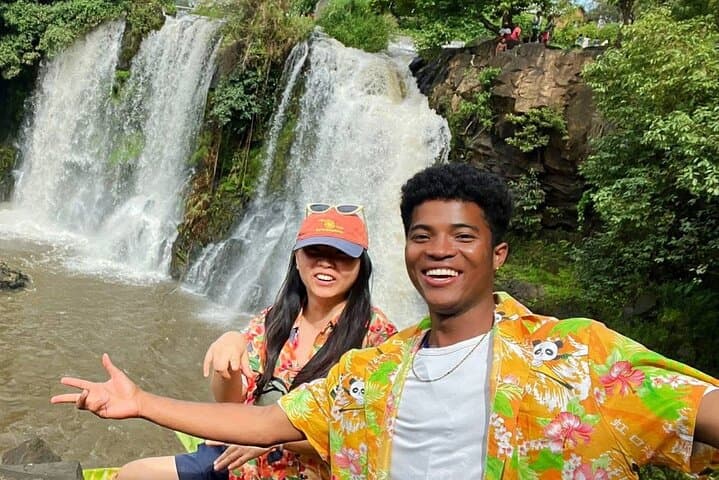
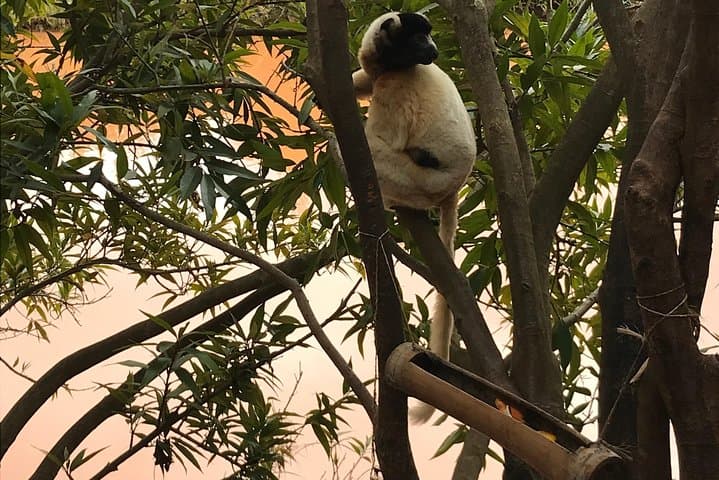
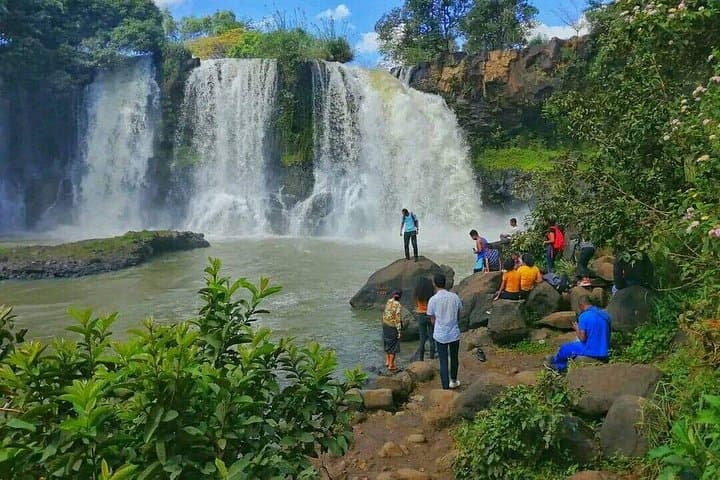
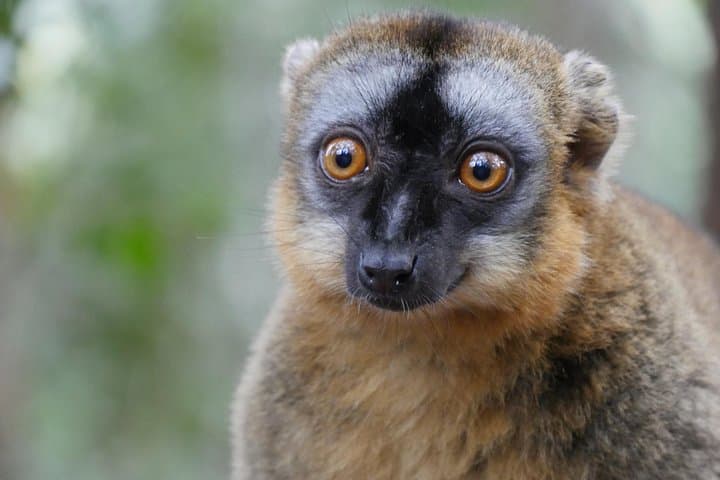
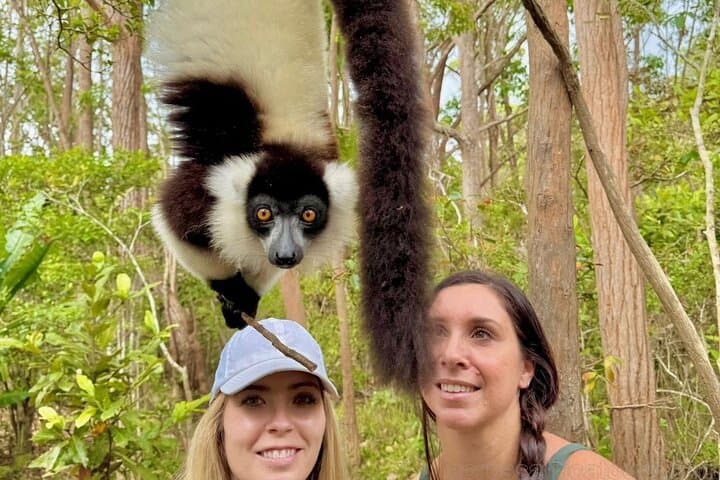
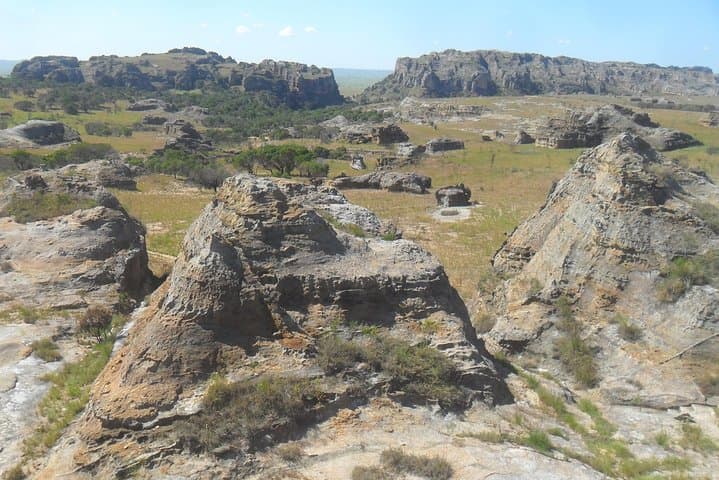
The Madagascar Rainforest World Heritage Site is a sprawling and diverse landscape that stands as a testament to one of the world's most unique ecological formations. Located in eastern Madagascar, this expansive site includes several national parks such as Andringitra, Ranomafana, and Masoala. The ecosystem is characterized by lush rainforests that are home to an extensive array of endemic species including lemurs, chameleons, and countless plant species not found anywhere else on Earth. These rainforests not only exemplify biodiversity but are also crucial to understanding the evolutionary history of Madagascar. Visitors to the Madagascar Rainforest can explore its myriad trails, discover breathtaking waterfalls, and engage with indigenous Malagasy culture around the parks. The site is recognized for its significant conservation efforts, aiming to balance human activity with the preservation of its natural heritage. The allure of this rainforest lies in its deep green canopy and vibrant life, offering unparalleled opportunities for wildlife viewing and exploration.